Halvorson 2015

legacy land trust conservation project halvorson

Halvorson Conservation Easement 2015

Marilyn Halvorson was the first person to sign a conservation agreement with Legacy Land Trust Society. The intact mixed wood forest was certified as an Ecological Gift by Environment and Climate Change Canada recognizing its importance for biodiversity.

The easement, signed December 28, 2015, was placed on 134 acres of her land near Bergen, Mountain View County.

When asked about her vision for this land she wrote…

In many ways, the following piece is a love story. I have been in love with the land directly across RR 60 from my house since I was a child.

For many years it belonged to the provincial government which leased it to a neighbour of ours to graze a few cattle. As far as I can remember, after that person gave it up it lay idle for a number of years, eventually being turned over to Mountain View County which had a strip perhaps 100 to 200 feet wide around the outside logged and then cleared.

Subsequently the County traded  the quarter to another resident for other land elsewhere.  He, having no particular interest in the property, grazed horses on it for a time and then decided to sell it.

First he subdivided off 20+ acres cut off by the creek on the northwest corner. (This was disappointing to me as this included some of the nicest spots on the quarter. However, as it turned out, the Calgary couple who bought it were real “tree-huggers” and wonderful stewards of the land as well as being great neighbours.)

Then, he offered the rest of the quarter to me for what I thought was a high price considering that it had little agricultural value. However, when he suggested it might make a good site for a development I convinced my mother to share in the cost and we bought it—which I am sure was exactly what the seller had in mind. This was nearly 25 years ago and it was the best money I ever spent.

Once, while walking with my dog, I encountered a deer that, rather than running, stood her ground and stamped her foot at me. Another time a coyote stalked my dog and me, never showing himself but yapping rudely from nearby until we left his territory.

Now, the land over which I had always freely roamed was safe! I use it for grazing my cattle or sometimes rent it to other people to graze cattle or horses.

Perhaps surprisingly, I did allow an oil well to be drilled on it. However this site is on the far southwest corner, directly off RR 60, and, aside from the small area where the actual well head is located, all has been returned to grazing land.

Aside from this slight incursion the land remains as it has always been, wild. Although there are some cattle and game paths, there are not even good walking paths on it. It belongs to Nature.

Once, as we walked through tall grass there, my friend said quietly, “Look what I’ve got.” He had almost stepped on a new fawn hiding there. All these things say to me, “You are welcome to share this piece of paradise but, remember, you are only borrowing it, it is our birthright. We, the wild things, were given it long before you were born. Make sure we can keep it long after you are dead.”

I am a senior citizen now (yuk). I realize I cannot be this land’s guardian forever. Time moves on and someone else will be its owner. It would be wonderful if the new owner was able to keep it completely wild and use it only for light grazing—and appreciating.

While looking for a list of flora and fauna I had once begun for the land, I came, instead, to this observation I had written around 1990 before the land was even available to buy:

I walked in the piece of wasteland across the road this evening. It’s a worthless quarter section, barely able to support the dozen horses that pasture there. There are no fields, few open meadows.

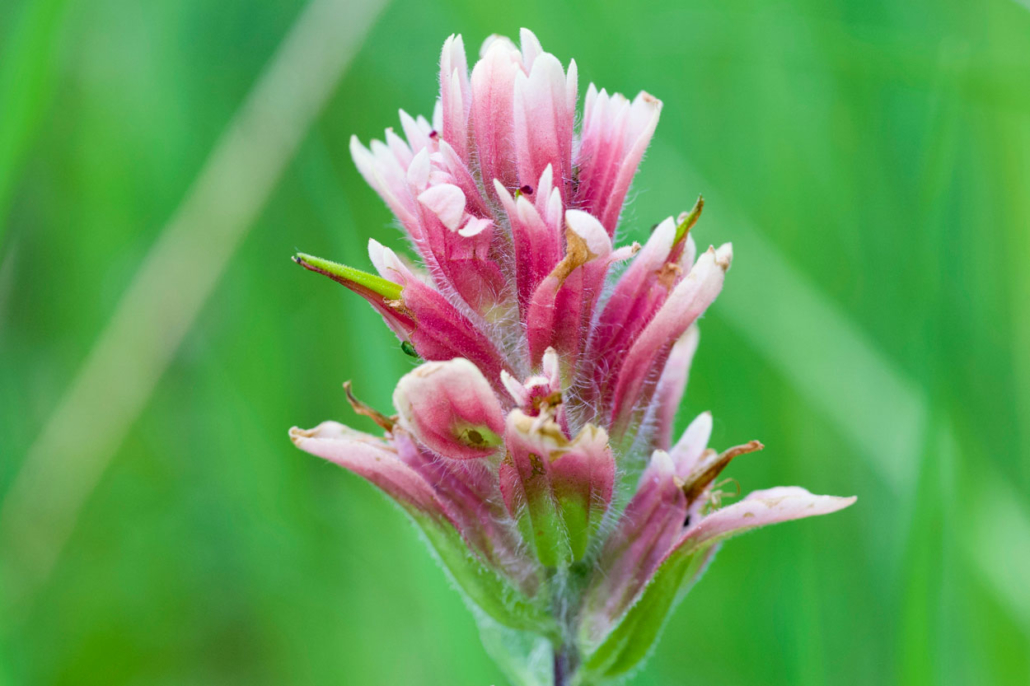
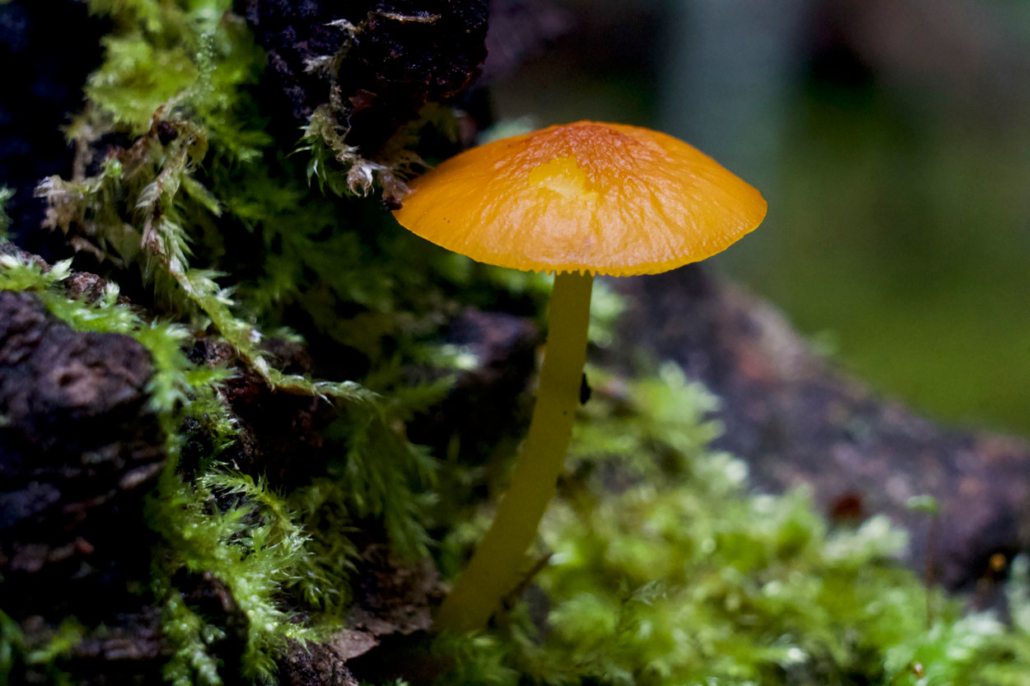
Nothing grows there—except for meadow rue, yarrow, wild honeysuckle, bunchberry, cinquefoil, northern bedstraw, lungwort, dew berry, purple vetch, water crowfoot, roses, mushrooms, toadstools, willows, alder, Dutch clover, prairie lilies, Indian paintbrushes, a few dozen centenarian spruce trees, and some ancient poplars that hold the sky in their topmost branches. One ancient pair, a spruce and a black poplar, seem to grow from the same root, their bases grown inseparably into one another, but separating above to become two distinct individuals, tall, strong, and distinctive, each to its own race.

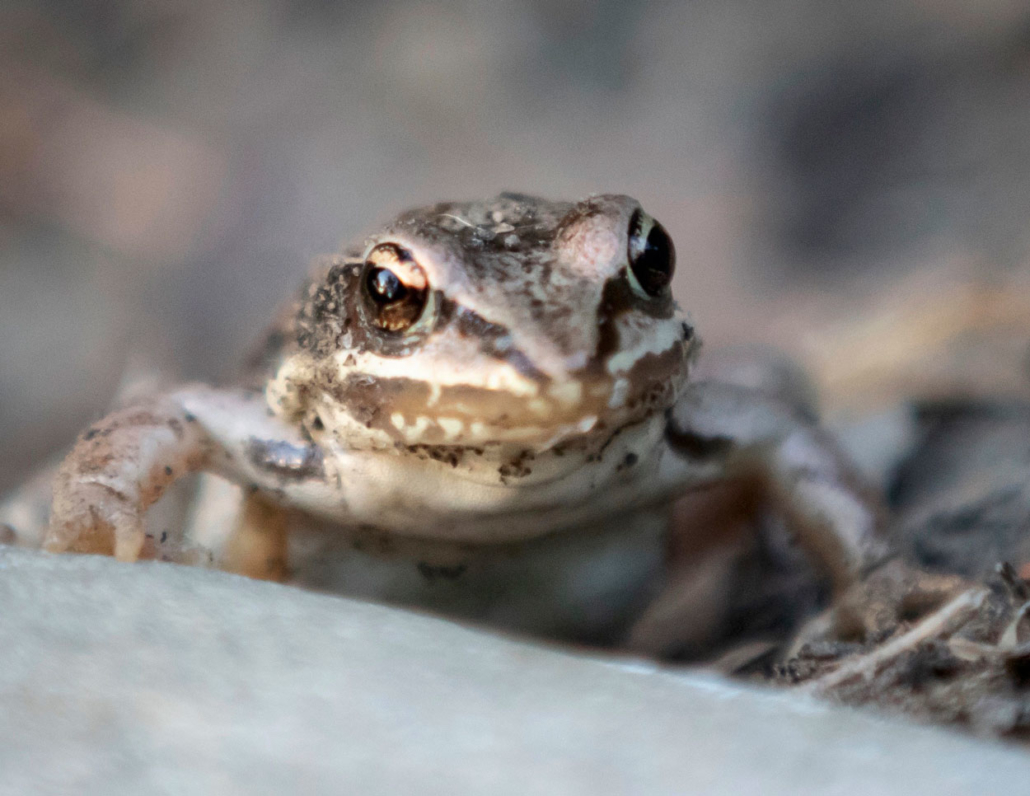
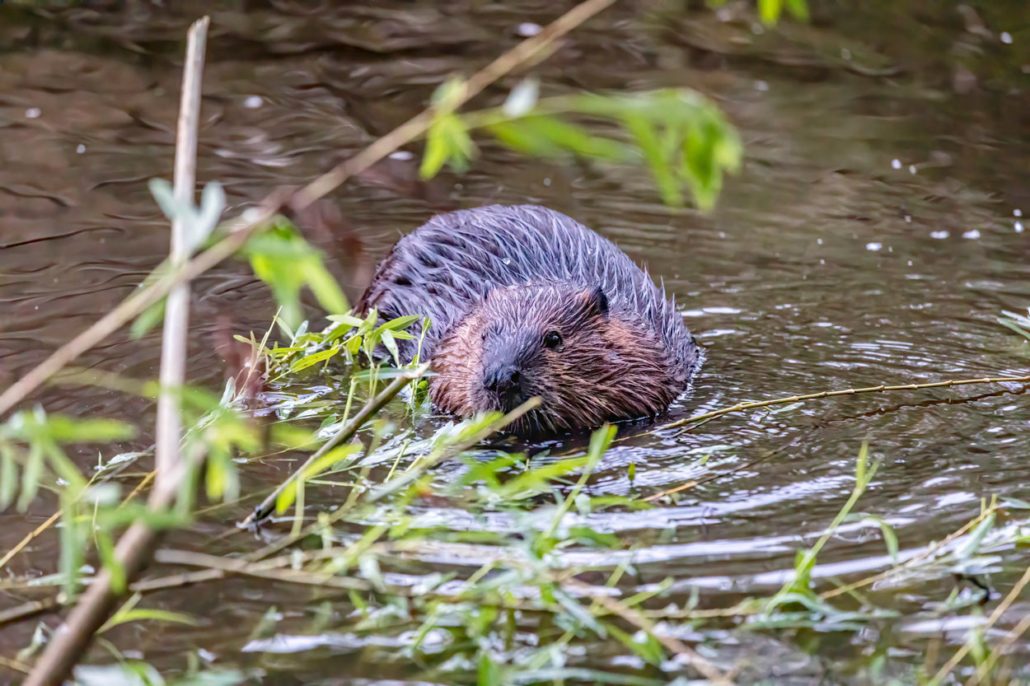
Nobody lives on this land. I didn’t meet a soul on my walk—except for a red-winged blackbird, a goldeneye duck, a beaver so tame he swam almost to my feet as I sat watching him work, a wet and slinky muskrat, a sleek and athletic frog, and a whole backwater full of huge pond snails—if I get lost I will have escargot for breakfast.

That was as far as that record of my observations went. Obviously, I thought the land anything but worthless and the list of living things barely touches on the plethora of life abounding there. I would hope to see this abundance preserved in perpetuity.